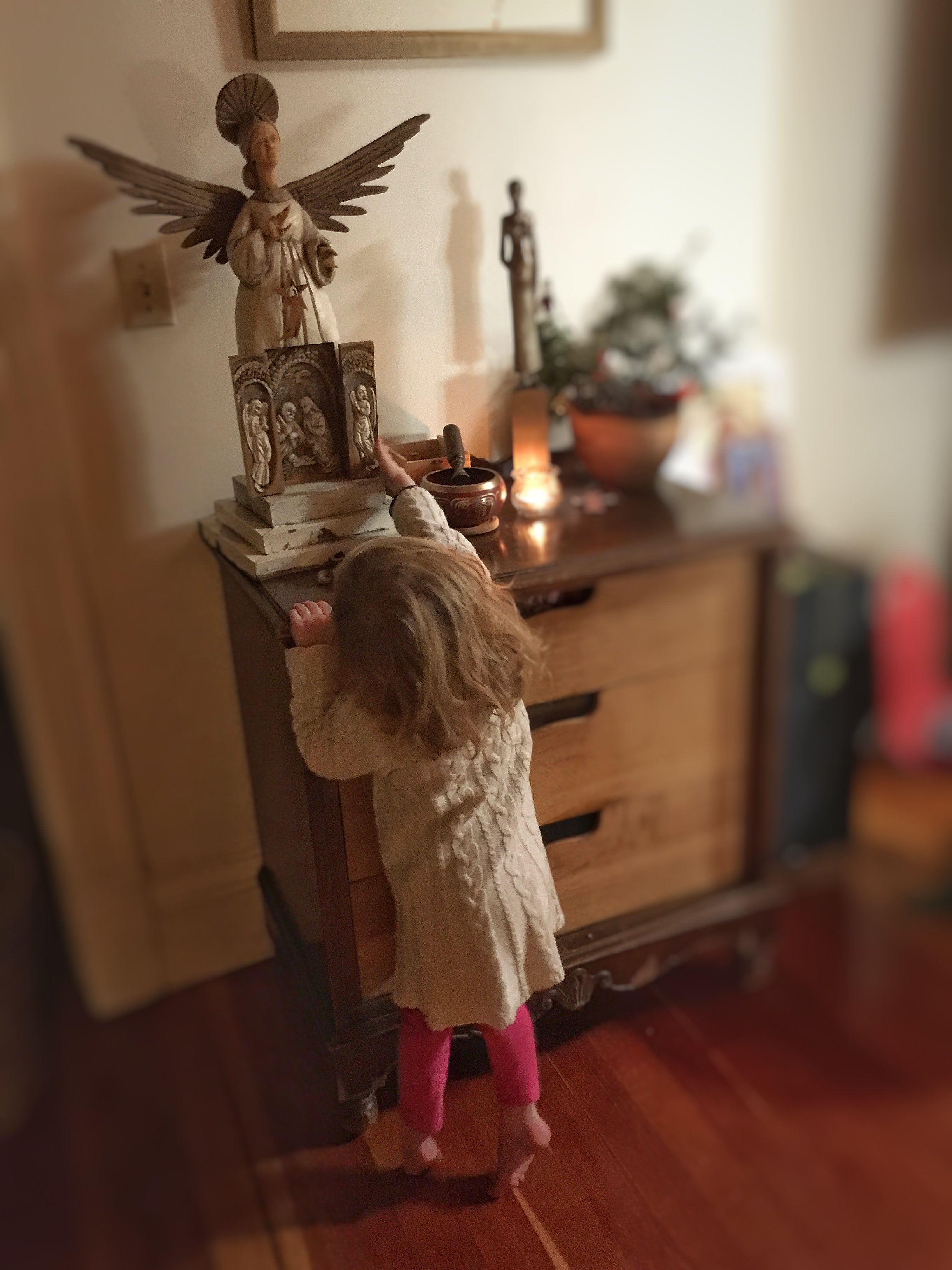
Welcome to our “little cloister”
where we
EXPLORE MONASTIC WISDOM FOR EVERY DAY LIVING
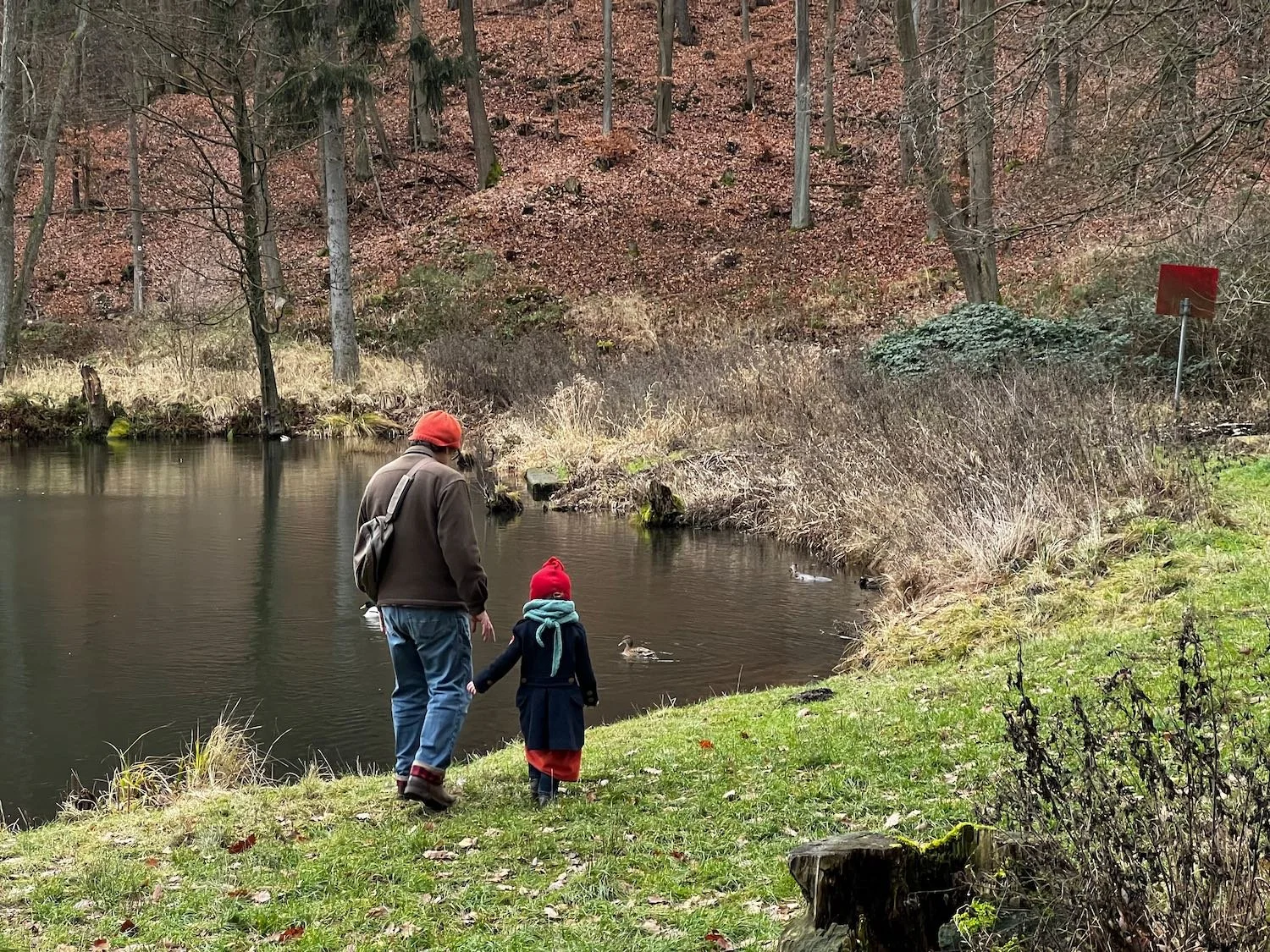
Drs. Almut & Chuck with little one
Home of
+The Hildegard Seminar,
+Kierkegaard Masterclass,
+Bach Passionweek Consolations,
+The 12 Days of Christmas Contemplations &
+The “Little School” of Spiritual Formation

Reflections from The Cloister
for weary pilgrims, dancing monks and all who long for a deeper way
This is our thematic archive of our Reflections before we moved them to our new substack home, where you now can find our most recent “Cloister Notes.”
Enjoy your scroll through reflections On Being Human, on the interior journey, on seasonal themes, monastic wisdom, existential insights, Hildegard if Bingen, Soren Kierkegaard, RM Rilke, CG Jung and many others.
And do not forget to leave your email below to receive our weekly Cloister Notes in your inbox :-)
With his Passion JS Bach has created a grand lamentation. His music gives us a container for our sorrows and seduces us into the beauty of lamentation. Joining in this orchestrated experience of mourning can actually be self-soothing and a strategy for resilience in the face of tragedy.
With his Passion JS Bach has created a grand lamentation. He does not to believe that coping with our fears and sorrows means to keep them in check in order to quickly get over them. Instead his music gives us a container for our sorrows and seduces us into the beauty of lamentation. Joining in this orchestrated experience of mourning can actually be self-soothing and a strategy for resilience in the face of tragedy.
Why is it that we fall in love? How do we lose our balance to do this? And isn’t this a good thing, this falling? At the beginning of this New Year, listen to Rumi’s poetry calling you into the wide expanse of this new year. Try something different – slip to one side of yourself and fall in love with this new day.
With this image of the Christmas star over our home we greet you at this turn of the year. By gracious powers wonderfully sheltered is a much-loved hymn by Dietrich Bonhoeffer that is widely sung in German speaking lands at this threshold. May it comfort you walking into the new year…
Instead of simply saying good riddance to this Annus Horribilis, we invite you for a time of gracious recollection and redemption. You can do this by walking in silence, by looking back on the reflections of this 12 day journey so far, or by taking some time to look with kindness on your life using the practice we provide.
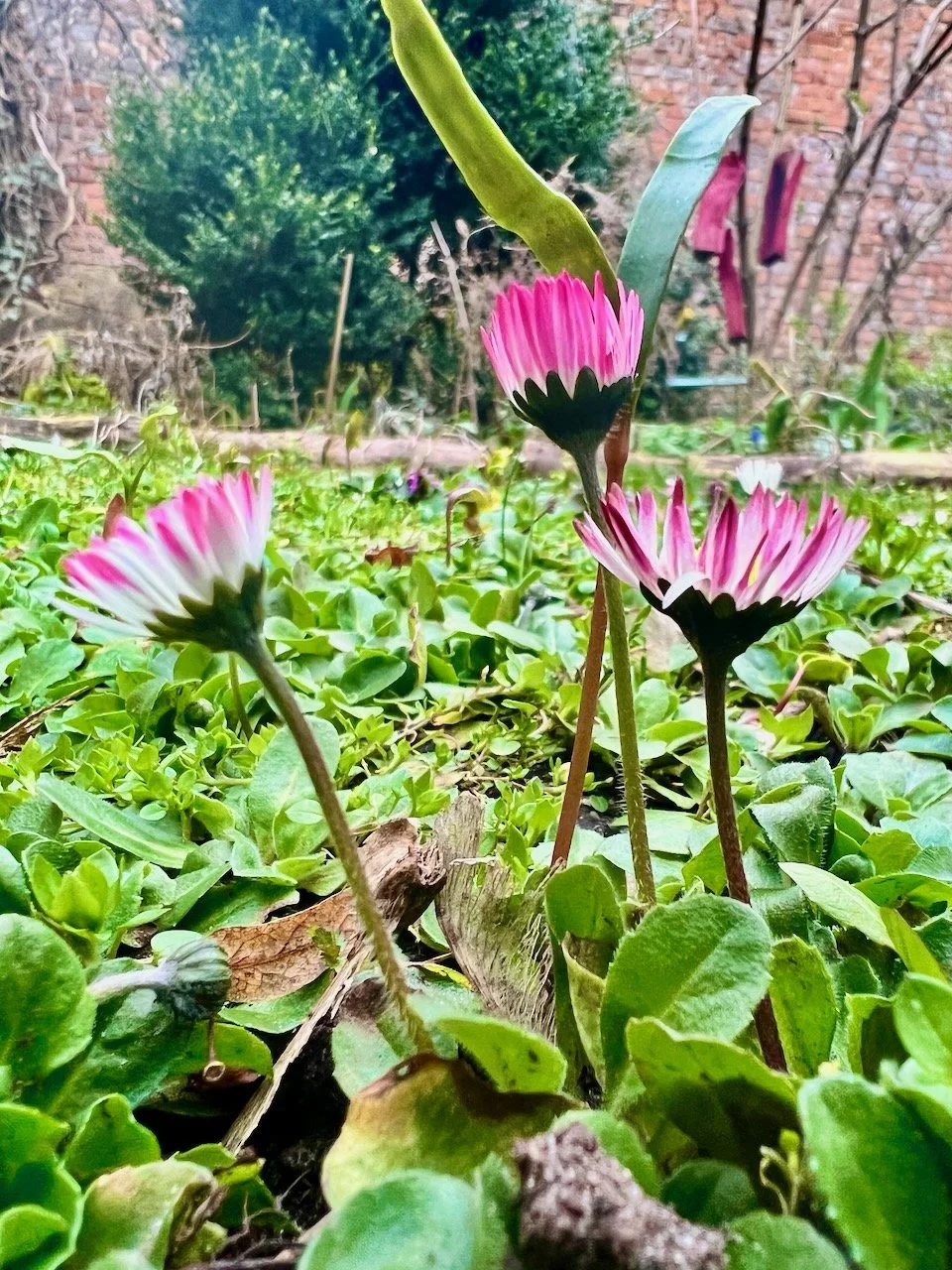
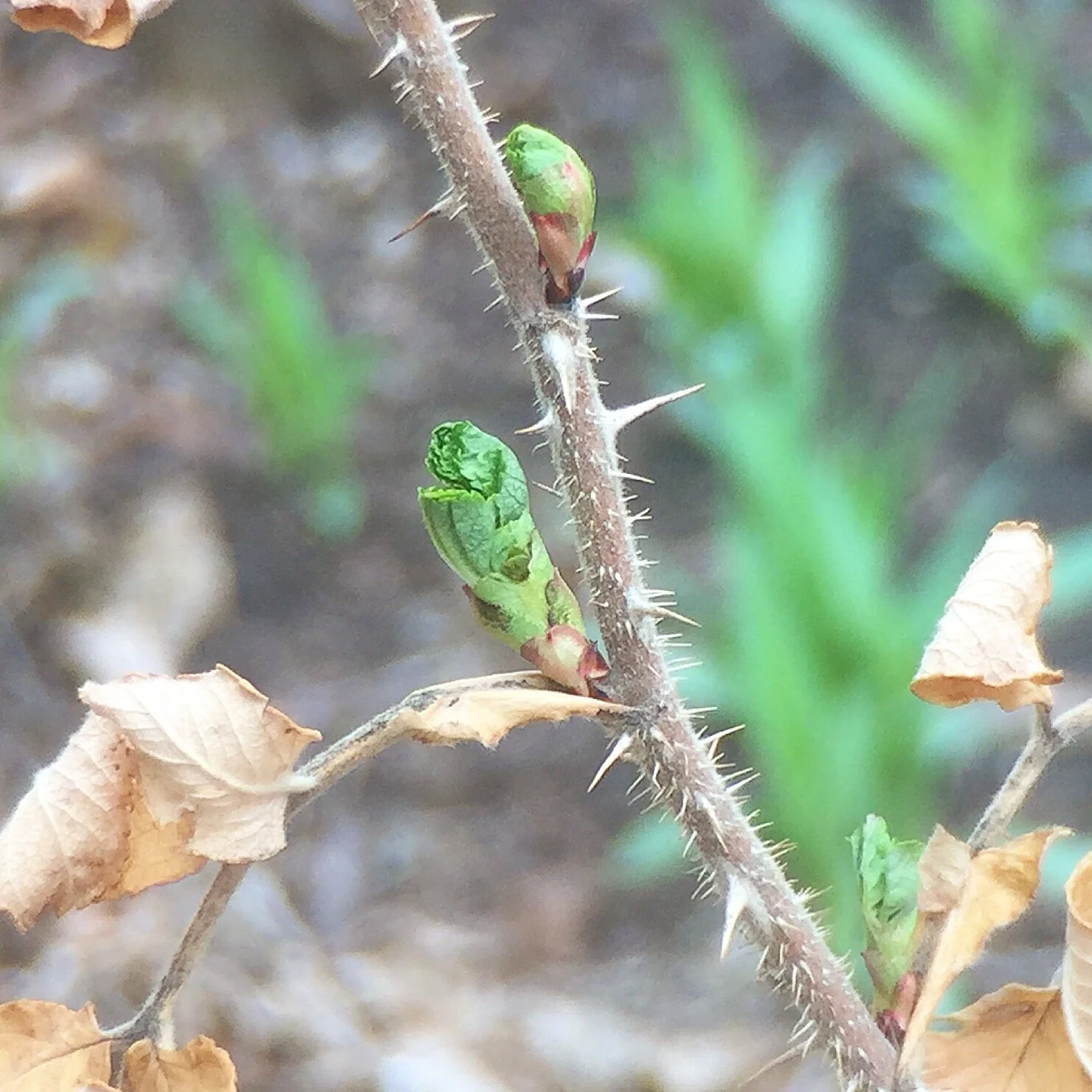
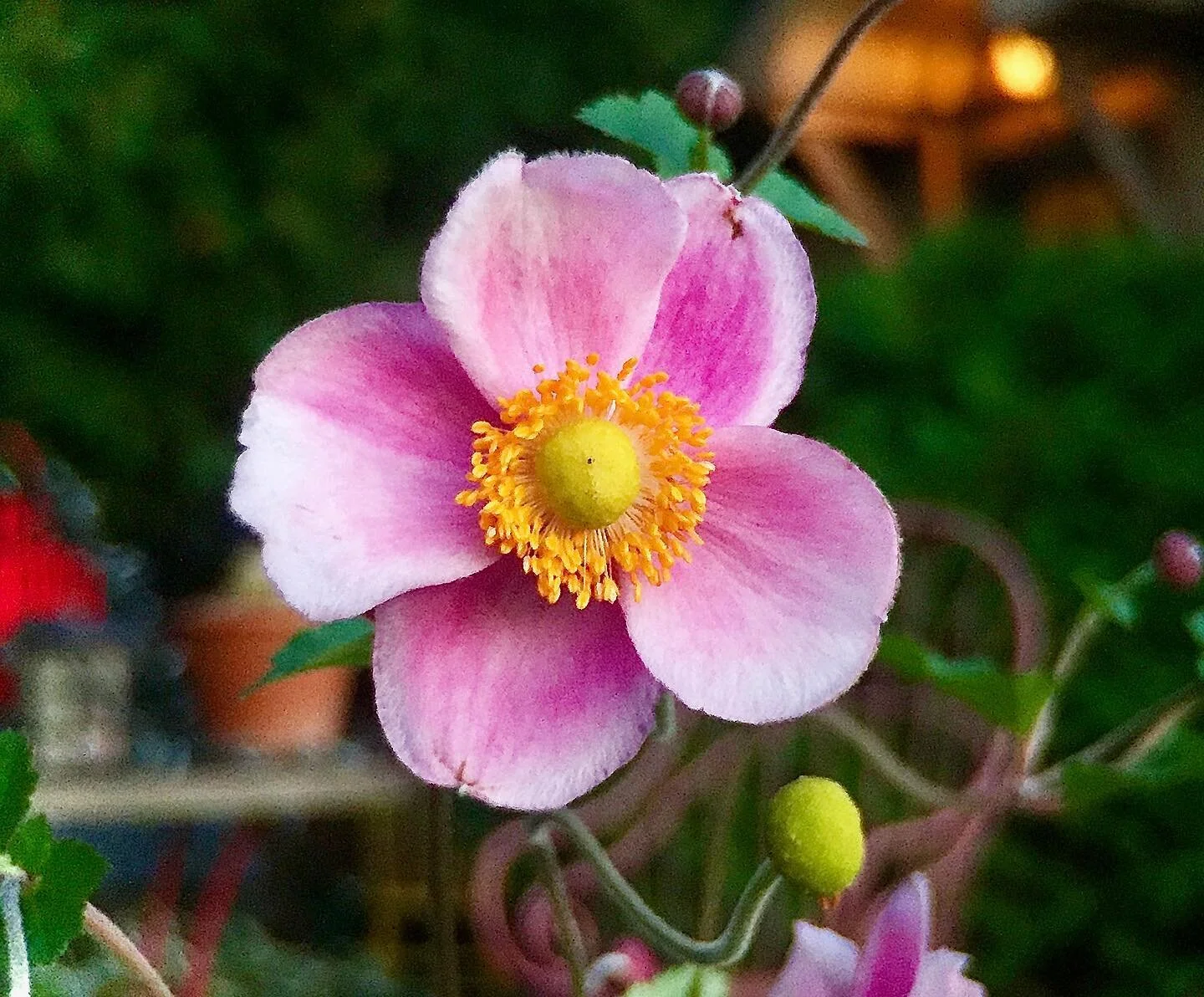
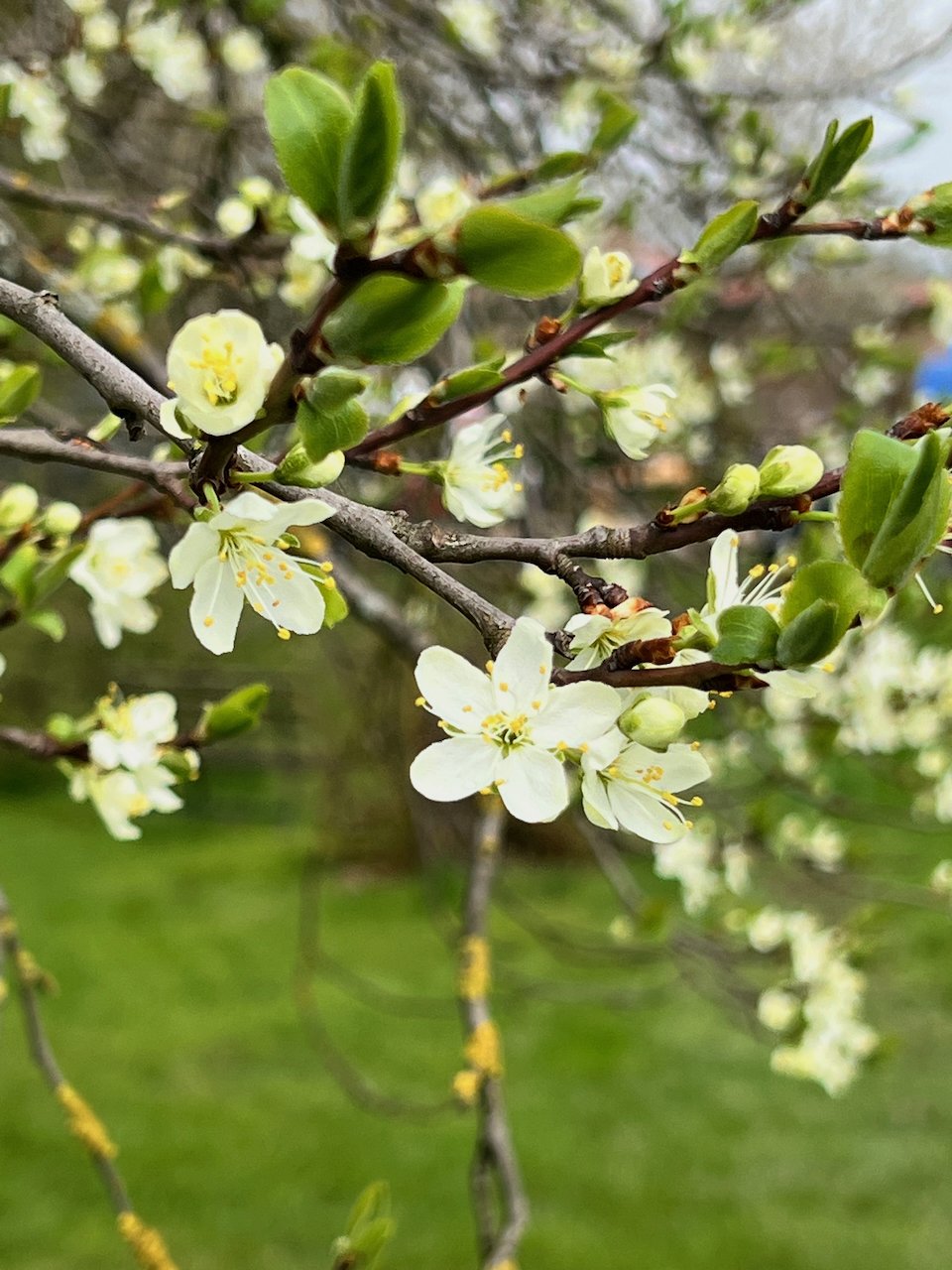
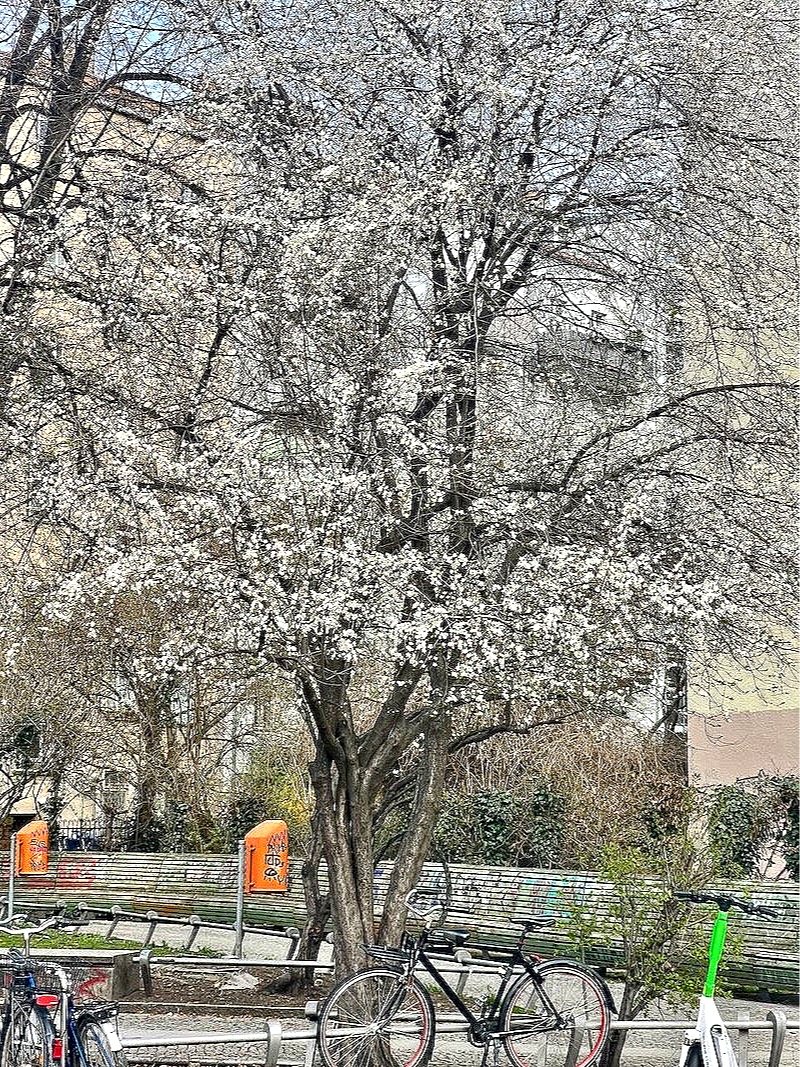
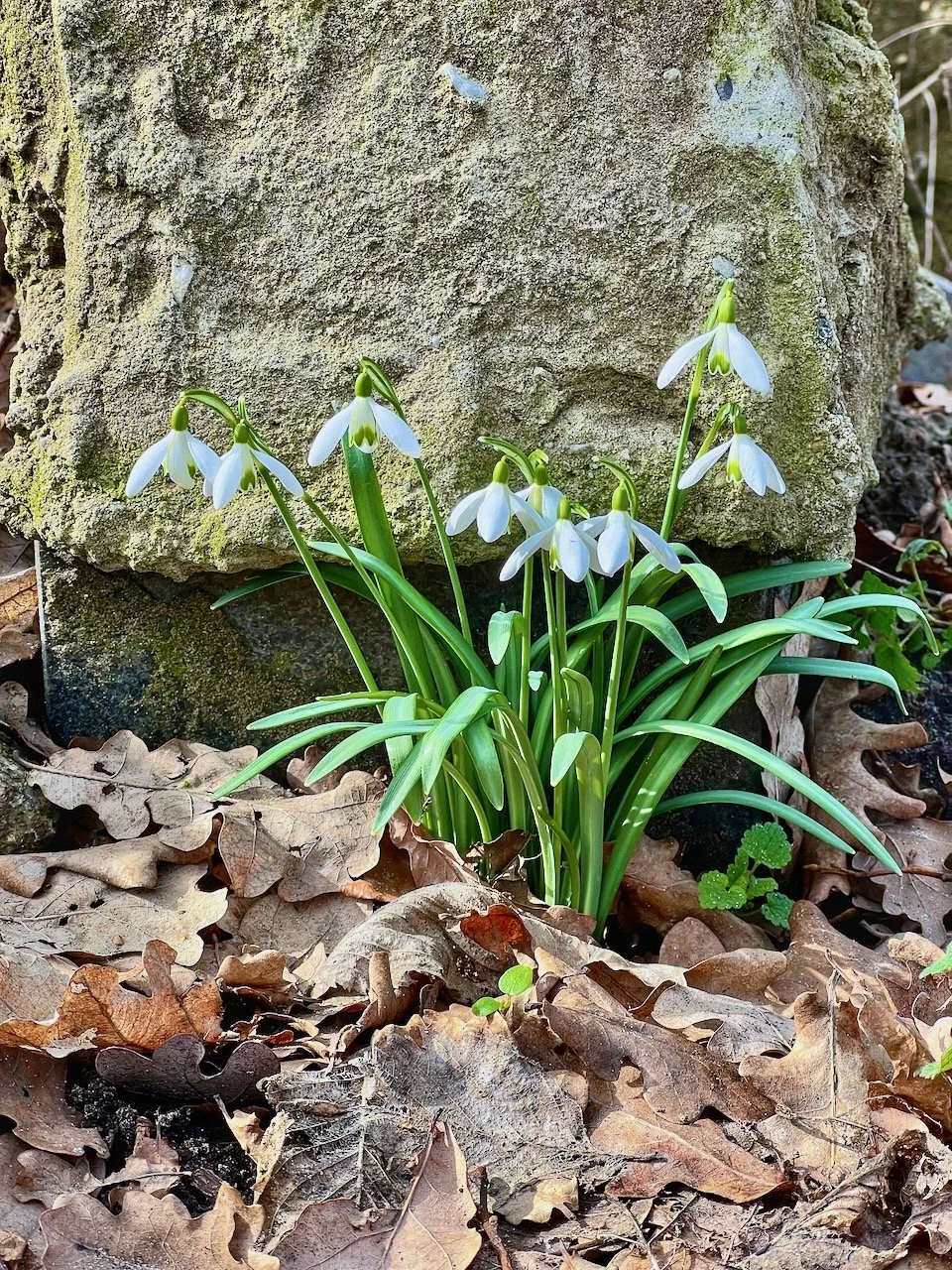
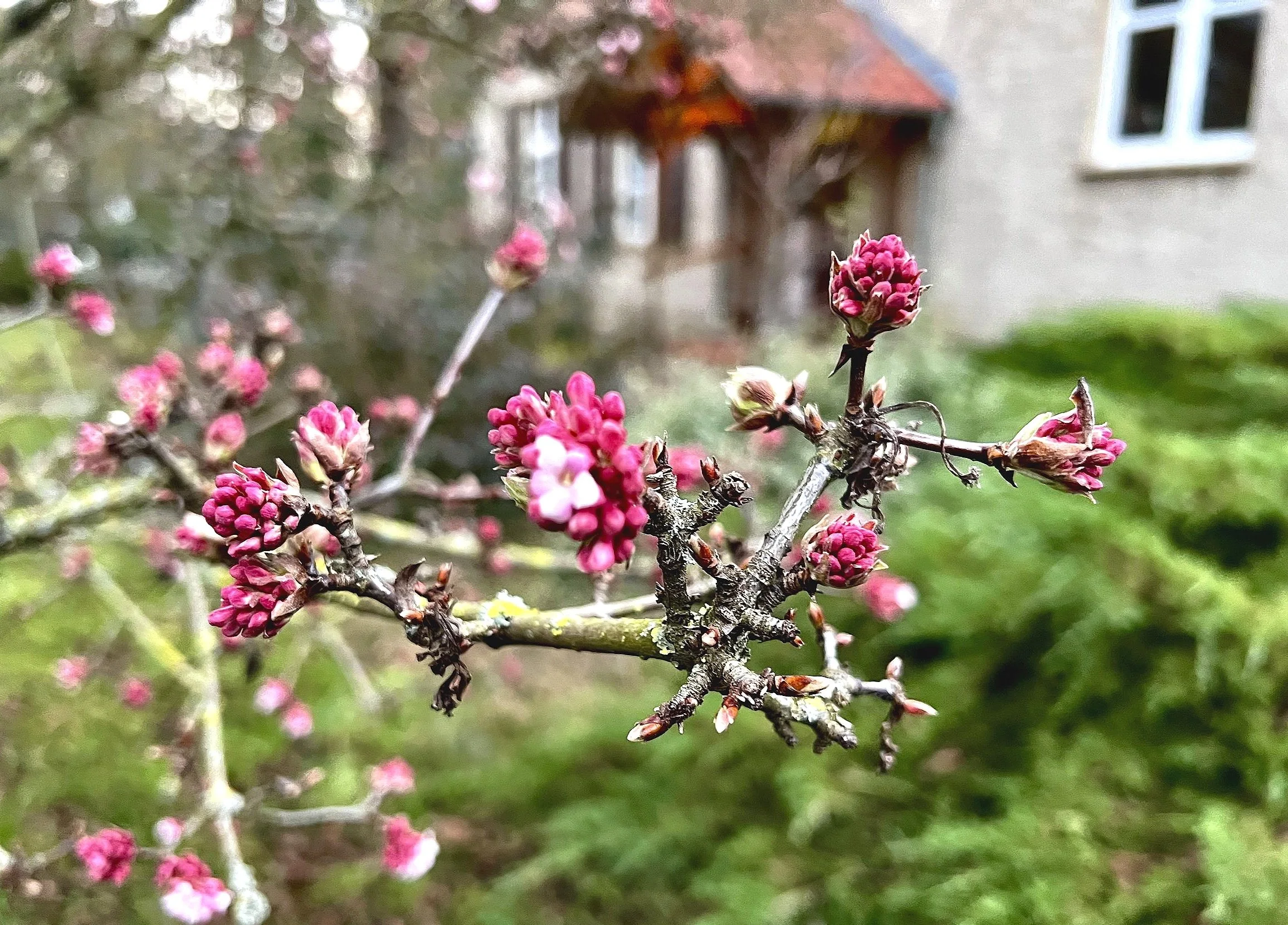
Watching Spring unfold is a beautiful metaphor for the Easter season. May new hope unfold in you just as Spring does after a long winter.
Pondering Gethsemane. A Lenten poem.
Brief Reflections
Read along on what Almut is writing over at our @cloisterseminars on Instagram.
With his Passion JS Bach has created a grand lamentation. He does not to believe that coping with our fears and sorrows means to keep them in check in order to quickly get over them. Instead his music gives us a container for our sorrows and seduces us into the beauty of lamentation. Joining in this orchestrated experience of mourning can actually be self-soothing and a strategy for resilience in the face of tragedy.
With this Easter Oratorio by Bach we greet you on this Easter morning one more time. Finally the trumpets and timpani. Bach has led us tenderly through deep emotions of loss, failure, fear and grief, on Easter Sunday trumpets and timpani get their say.
When singing the St. Matthew Passion with the Munich Bach choir one moment stood out: silence. The silence entered when our conductor intentionally held onto the rest after Jesus bowed his head and died. He stood still, with his arms in suspension, cradling the time. It was as though the whole audience sighed together, like our hearts stood still for a moment, pausing in unison. Since then I have known that conducting the pause is as important as conducting the whole Passion...
Where is our hope in times of daily death counts? Our hope is in a God who died publicly humiliated outside the walls of a minor city in a great empire. Our hope is in a God who chooses humility over grandiosity, a God who bows deeply, who suffers with us, even unto death.
One can hardly say anything more meaningful than is already said in this ethereal Aria of JS Bach’s St. Matthew Passion and the angelic earnestness of the interpretation by the male Alto Tim Mead and the Netherlands Bach Society. May you find comfort and healing in it and may it move you to shared compassion with those who suffer in these troubled times.

Today we walk with Peter through his courage, betrayal, and desolation at the cock crow. The music is frenetic and the themes are challenging. But Bach has strategically placed soothing moments that show empathy for the sufferer and offer consolation. We will look together at both the difficulties and the consolations, and then suggest a process and practice to bind them together.

The arias in Bach’s Passions are wells of deep emotion. Time stands still, while we follow a movement of heart to the depth of our soul. Bach’s aria “Have mercy, my God”, invites us almost to dance through our bitter weeping, to get out of our frightened state, and back into motion. It seduces the listener into graceful mourning and the gentle desire for mercy.
With his Passion JS Bach has created a grand lamentation. He does not to believe that coping with our fears and sorrows means to keep them in check in order to quickly get over them. Instead his music gives us a container for our sorrows and seduces us into the beauty of lamentation. Joining in this orchestrated experience of mourning can actually be self-soothing and a strategy for resilience in the face of tragedy.